How to Prepare Chicken Wings and Reduce Unwanted Odors
Chicken wings can be braised, pan-fried, roasted, deep-fried, or grilled, but proper preparation can make a noticeable difference to their flavor, texture, and appearance. The best way to prepare chicken wings depends on the cooking method, especially when deciding whether they should be blanched before cooking.
For example, Cola Chicken Wings are first pan-fried until lightly browned, then simmered with cola, soy sauce, and fresh ginger until the liquid reduces into a rich, glossy glaze. The wings do not need to be blanched beforehand. Because they are browned before the cola is added, blanching can cause the skin and meat to contract, making it harder for the wings to lie flat against the pan and develop an even golden surface. Soaking the wings briefly, pressing out any trapped dark liquid, and drying them thoroughly is usually sufficient.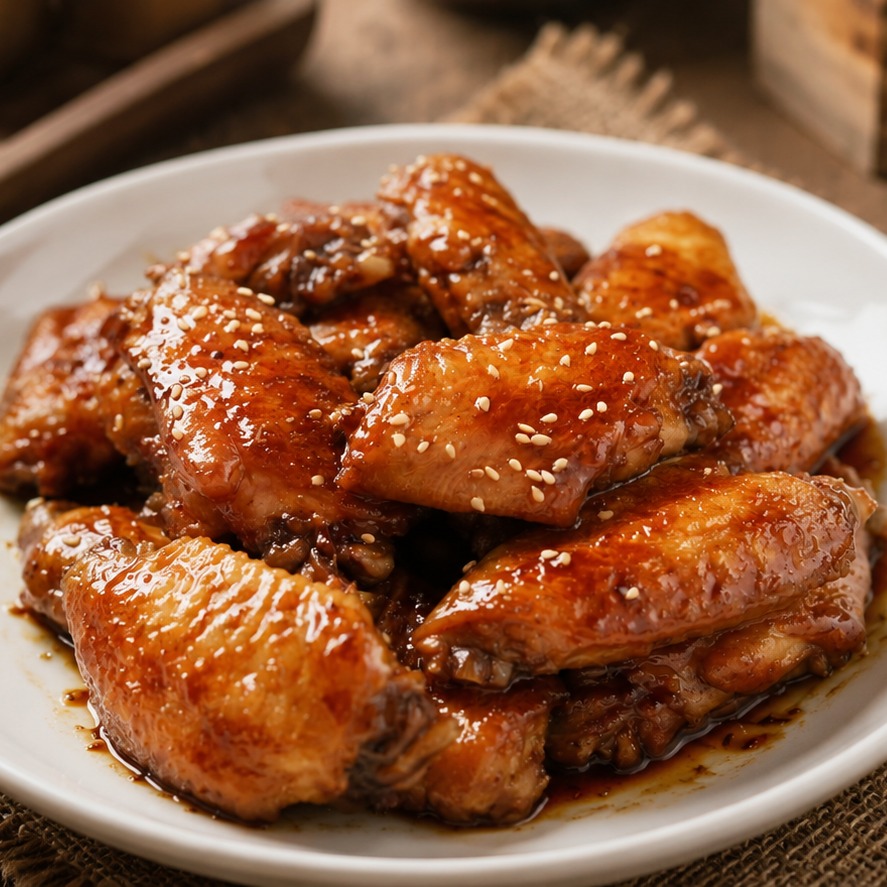
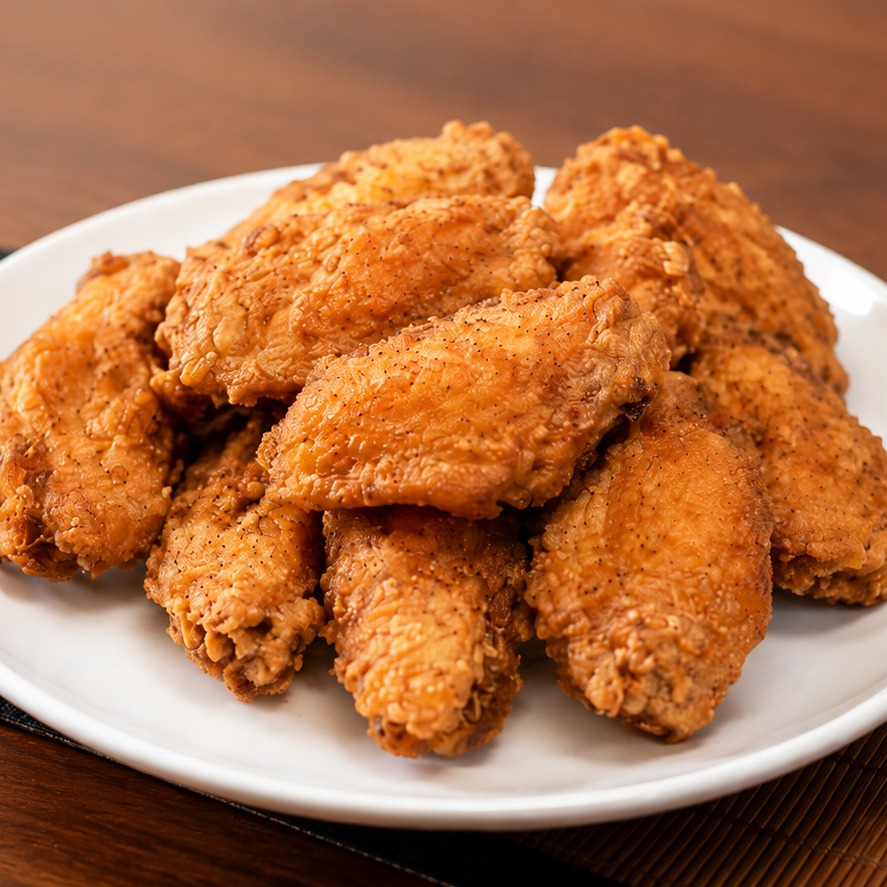
Salt-and-Pepper Chicken Wings are marinated with soy sauce, oyster sauce, aromatics, and Chinese salt-and-pepper seasoning before being slowly pan-fried until golden and crisp. These wings should not be blanched, as blanching can make the skin and meat contract, reduce the surface area touching the pan, and make even browning more difficult. Thorough drying is especially important before the wings are marinated and fried.
Both fresh and frozen chicken wings benefit from the same cleaning and preparation steps. The only additional step for frozen wings is to thaw them completely and safely before you begin.
The method below can be used to prepare chicken wings for a variety of Chinese dishes, including braised, pan-fried, seared, roasted, and deep-fried recipes. Blanching is not a standard requirement and should only be used when a specific recipe calls for it.
1. Thaw Frozen Chicken Wings Safely
Frozen chicken wings should be completely thawed before they are cleaned, marinated, or cooked.
The safest and most reliable method is to place the wings in a covered container or leak-proof bag and leave them in the refrigerator compartment overnight. Keeping them contained also prevents raw chicken juices from dripping onto other food.
Do not thaw chicken wings in hot water or leave them on the kitchen counter. The outside of the wings may become too warm while the center remains frozen.
For faster thawing, sealed chicken wings may be placed in cold water or thawed in a microwave. Wings thawed using either of these methods should be cooked immediately.
2. Remove Trapped Dark Liquid
Place the fresh or fully thawed chicken wings in a bowl and cover them with cold water. Leave them to soak for about 10 minutes.
Soaking helps loosen dark liquid and residue around the bones and joints, making them easier to remove. Keep the bowl stationary and avoid rinsing raw chicken under running water, which can splash raw poultry juices onto nearby surfaces.
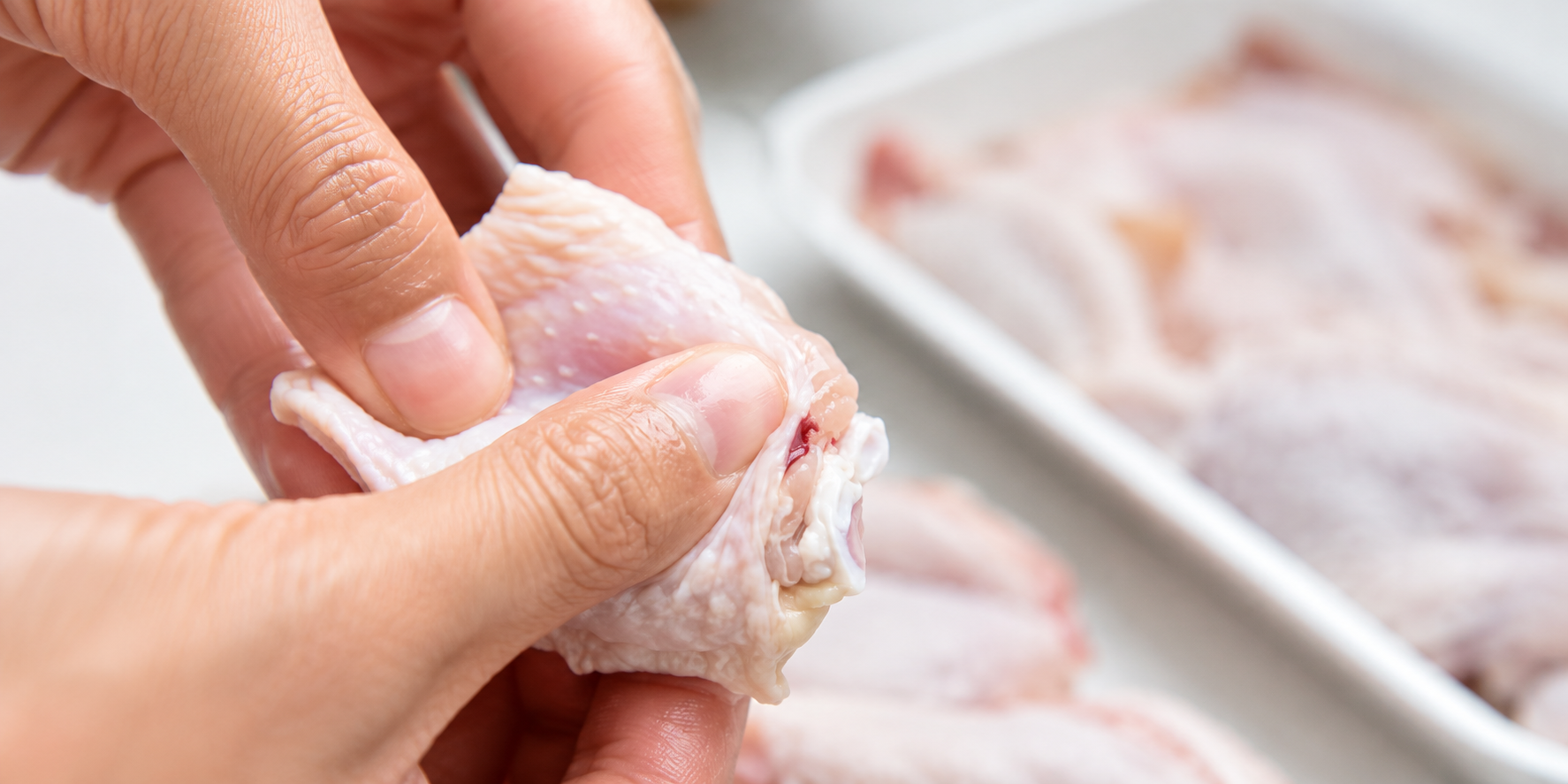
After soaking, take out one wing at a time and examine the underside, especially around the joints, exposed bones, and visible white tendons.
Using your fingers, gently but firmly press along these areas to release any dark liquid trapped inside. This is often more noticeable in frozen wings, particularly around the bones and joints.
There is no need to cut deeply into the meat or crush the wings. Apply only enough pressure to release any liquid that comes out naturally.
This step can improve the appearance of the cooked wings and prevent dark juices from leaking into a light-colored sauce during cooking.
3. Blanch the Wings When Appropriate
Blanching chicken wings is optional and should be chosen according to the recipe.
When to Blanch Chicken Wings
Blanching is most suitable for wings that will later be:
Braised
Simmered
Stewed
Red-cooked
Brief blanching removes foam and surface residue, helping produce a clearer and cleaner-tasting braising liquid.
When Blanching Is Unnecessary
Chicken wings generally do not need to be blanched before they are:
Pan-fried
Seared
Roasted
Baked
Air-fried
Deep-fried
Grilled
Blanching can slightly reduce the wings’ flavor and make browning more difficult. It may also cause the skin and meat to contract unevenly, reducing the amount of surface area that sits flat against the pan. This can result in uneven browning, especially when the wings are pan-fried or seared.
How to Blanch Chicken Wings
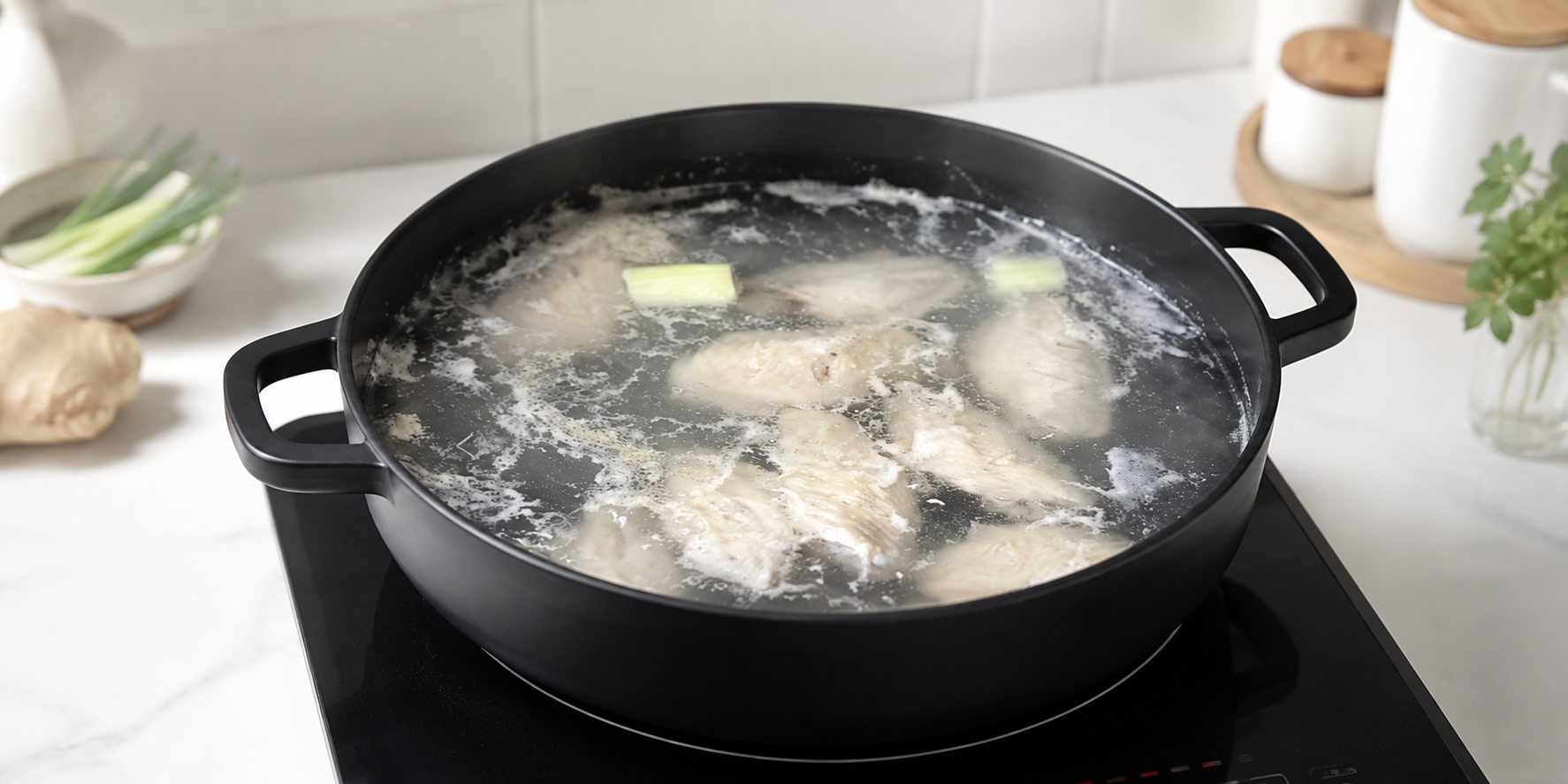
Place the cleaned chicken wings in a saucepan and cover them with cold water.
Add a few slices of fresh ginger, several pieces of scallion, and a small splash of Shaoxing wine or another unsalted Chinese cooking wine.
Bring the water to a boil over high heat.
As foam and residue rise to the surface, skim them off with a spoon.
Once the water reaches a full boil and most of the foam has been removed, take the wings out. Do not continue boiling them for too long, as they will be cooked again in the final dish.
Briefly dip the blanched wings in a bowl of warm water to remove any remaining foam.
Avoid placing the hot wings directly into very cold water. A sudden temperature change can tighten the skin and cause greasy residue to cling to the surface.
4. Dry the Chicken Wings Thoroughly
Whether the wings have been soaked or blanched, they should be dried thoroughly before they are seasoned or cooked.
Arrange the wings on a clean tray and pat every surface dry with paper towels. Pay particular attention to folds in the skin and the areas around the joints, where moisture can easily collect.
Thorough drying is especially important when chicken wings will be pan-fried, seared, roasted, air-fried, or deep-fried. Excess surface moisture can cause hot oil to spit and prevent the skin from browning properly.
Once the wings are completely dry, they are ready to be marinated or added to your recipe.
Important Food-Safety Tips
These preparation steps are intended to improve the flavor, texture, and appearance of chicken wings. They do not make raw chicken safe to eat.
Keep raw chicken separate from cooked food, fresh produce, and ready-to-eat ingredients. Wash your hands thoroughly after handling raw poultry, and clean any bowls, utensils, cutting boards, sinks, and work surfaces that have come into contact with it.
Always cook chicken wings thoroughly. Do not rely on their color, appearance, or blanching alone to determine whether they are fully cooked.
With the wings properly thawed, cleaned, dried, and blanched when appropriate, you can achieve better browning, cleaner sauces, and more consistent results in a wide range of Chinese chicken wing recipes.
Comments
0 comments
Loading comments...